 EN
EN

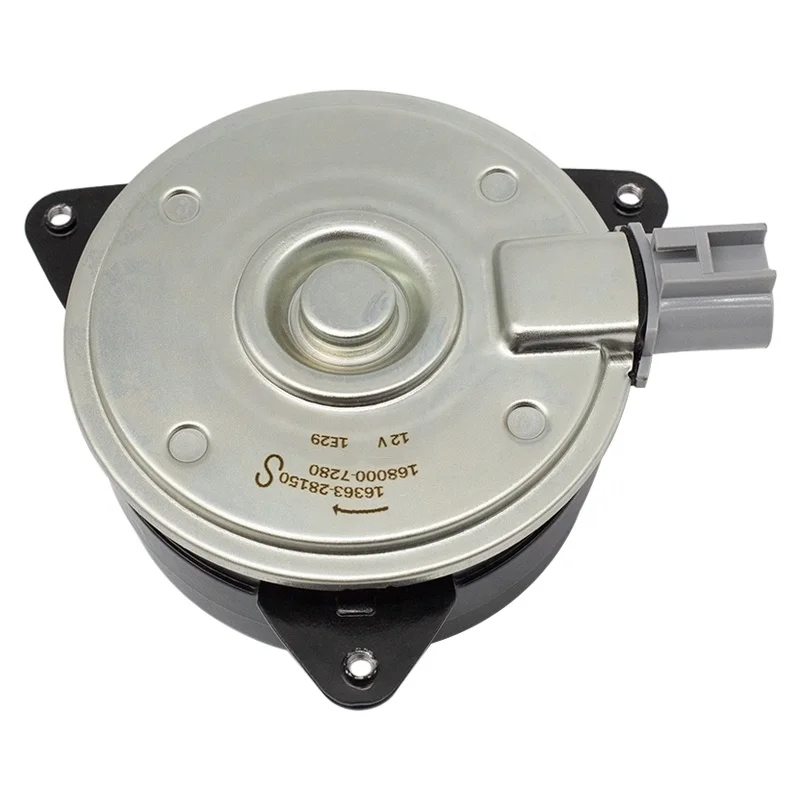
When it comes to repairing cars, there are two types of replacement parts to choose from: Original Equipment Manufacturer (OEM) parts and aftermarket parts. OEM stands for Original Equipment Manufacturer, in this case the company that built your car. They are the same pieces that went into the car when it was manufactured. Aftermarket parts, on the other hand, are produced by various companies. They usually are less expensive, but quality may not always be the same as OEM parts. It is critical to understand the distinction between these types of parts. That then lets you make intelligent decisions when it's time to repair or upgrade your automobile. At Tenfront, we are a professional for producing high-end replacement parts comparable to the OEM.
Where to Purchase Good Aftermarket Parts that Rival OEM?
High-quality aftermarket parts can be hard to come by, but they are not non-existent. The best place to start may actually be online. There are many websites that sell aftermarket parts, and they typically feature consumer reviews. These reviews might be helpful to you when trying to decide if the parts are good quality. Also it’s a good idea to look for certifications. Some new parts available online also come with certifications that indicate they meet specific safety and performance standards. You can also try local auto parts stores. A number of these shops offer a blend of both OEM Auto Parts and aftermarket on sale. Do not be afraid to ask the staff questions. They generally know what brands you can trust. For instance, you could see that certain aftermarket companies become popular thanks to their higher quality and better performance. It’s another good way to compare prices also. Occasionally you can find an aftermarket part that’s just as good as the OEM part but cheaper. You should also verify if the parts have a guarantee. A warranty can make you feel better about the part or give you peace of mind if it doesn’t work out so well. At Tenfront, we are committed to the quality of our parts and you can always trust in what you get from us.
How to Recognize Red Flags in Double Glazed Units When You Buy Wholesale?
When purchasing from aftermarket parts in bulk, it’s super important to watch for red flags. One big sign is the price. That a part costs far less than you'd think considering its complexity, it might be a caution. Good things are often not cheap! And a related thing to check is the packaging. When the casing looks chintzy or abused, that often means what’s inside may be untrustworthy. Details of the part itself are also something for which you should search. If you notice missing labels or confusion, proceed with caution. That could indicate the part is not manufactured to proper standards. It’s wise to request a few samples before placing a large order. Testing a sample part can reveal whether it’s worth buying more. Also, check the company’s reputation. Find reviews, ask other customers about their experience. If so many people have had a bad experience, it can pay to avoid. Communication is key too. A company that doesn’t get back to you promptly or in substantial language-based detail may not be reliable. Tenfront stands by to make sure that you can shop easily and securely. And remember, the time to see these red flags may actually save you money or headaches later.
Where to Buy OEM and Aftermarket Auto Parts: A Complete Guide for Car Owners
Knowing where to get parts for your car is very important when you need them. Both OEM parts and after-market choose either aftermarket or OEM. The reason many consumers wind up buying ‘OEM-equivalent’ or ‘aftermarket’ parts is a matter of price,” Mr. Khattak said. Aftermarket manufacturers don’t have to invest in the reams of software that create these digital foot guns of security vulnerabilities. OEM is an acronym for original equipment manufacturer, meaning the car maker itself, as opposed to OE which stands for original equipment and refers to a part made by someone else who has contracted with the car’s manufacturer. One of the first places to look for OEM parts would be on your car manufacturer’s website. Oftentimes, they keep a registry of accredited dealers or shops that can sell you these parts. Another one is authorized dealers. Typically, they sell original parts that are made to fit your vehicle exactly. You may also want to head down to some of the best auto parts stores for OEMs. They tend to employ a staff that knows quite well and could assist you in getting what you’re looking for. Aftermarket parts, on the other hand, you can shop for online. There are lots of Web sites that have a whole smattering of aftermarket parts. But you’ll want to read the reviews to confirm whether the parts are of decent quality. Or you can hit up your local auto parts stores for aftermarket ones. As with OEM parts, it’s easiest to ask the staff for assistance if you’re not sure what you need. And don’t forget to make sure the aftermarket parts are compatible with your car. You can check by the part number or through a specifications lookup. Last but not least, don’t forget to check the seller’s reputation regardless if you are purchasing OEM or aftermarket parts. That means that you can be sure that the parts you order are what you need for your car or truck every single time.
Why OEM Parts Are the Best Choice for Quality, Safety, and Vehicle Value
There are many benefits of using OEM parts for your car. One huge benefit is that OEM parts are tailored for your car. Which will be suitable for your vehicle. And these are perfectly and exactly manufactured to fit the original parts. And when you demand quality, turn to OEM replacement parts from your local Cadillac dealership. This might mean your car runs more smoothly and safely. OEM parts also tend to come with a warranty. That means you can get it repaired or replaced if something goes wrong, at no additional charge. In addition, OEM parts can help preserve the value of your vehicle. If you intend to sell your car down the road, original parts might attract more buyers. Aftermarket parts, on the other hand, can be cheaper in some cases, but may not always be as reliable. Since some aftermarket parts are of lower quality, that could cause issues later on. This explains why many car owners go with OEM parts, especially when dealing with crucial components such as brakes or engines. At Tenfront, we recommend you do your inner thinking about what parts you buy. If you value quality and safety, then OEM parts will be the right solution for your car.
How to Choose Between OEM and Aftermarket Auto Parts: A Smart Buyer’s Guide
For any car owner, informed decision making in purchasing of OEM or aftermarket automotive parts is vital. The first thing to know is what kind of part you are after. You can check your car’s manual if you are in doubt, or ask a mechanic. This will give you an idea whether to be searching for OEM or aftermarket replacements. Next, do some research. Check the reviews and ratings of parts you’re thinking about. This is especially true when considering aftermarket parts, where quality can really run the gamut. You can find this information on websites and forums. Make price comparisons from other sellers if you’re considering OEM parts. Occasionally, authorized dealers may offer sales or discount the price. Getting to the warranties is a good idea, too. Understanding how long the warranty will last and what it covers can give you peace of mind with your purchase. And, at Tenfront, trust your gut but also ask around to friends or family who have replaced car parts before. And if you’re still not sure, maybe take it to a professional mechanic. They can offer you useful tips and advise on the best choices for your car. Finally, do remember your budget. It may be a bit more appealing to choose cheaper aftermarket components, but the truth is paying out for top tier OEM parts now will end up saving you in the long run by avoiding repairs and replacements. By doing a little legwork, you can determine how to best service your vehicle.
Table of Contents
- Where to Purchase Good Aftermarket Parts that Rival OEM?
- How to Recognize Red Flags in Double Glazed Units When You Buy Wholesale?
- Where to Buy OEM and Aftermarket Auto Parts: A Complete Guide for Car Owners
- Why OEM Parts Are the Best Choice for Quality, Safety, and Vehicle Value
- How to Choose Between OEM and Aftermarket Auto Parts: A Smart Buyer’s Guide