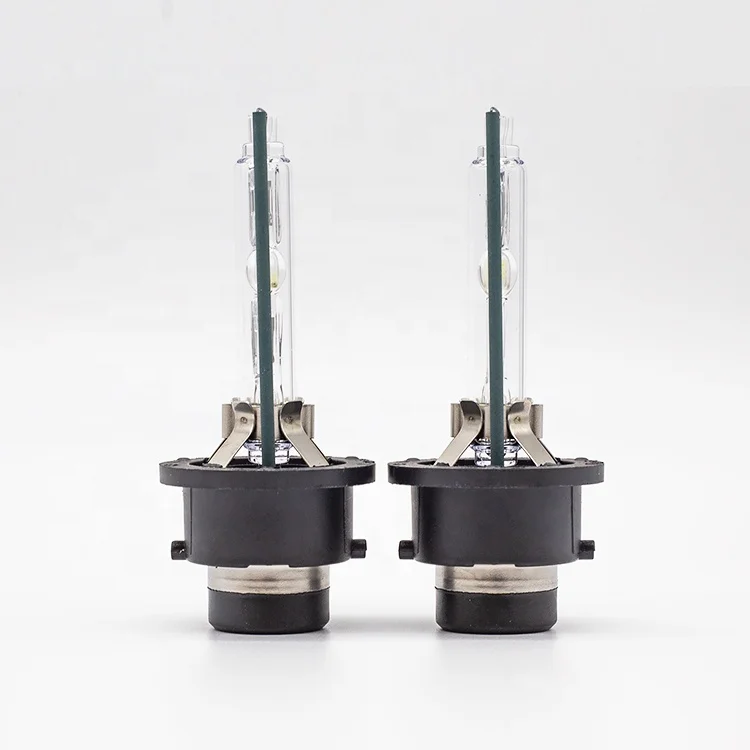
One of those parts is the vehicle timing belt that can make your car’s engine run smoothly. But, one must choose the right timing belt to avoid damaging the vehicle. Similarly, you can face various issues with the belt, but we can prevent these issues to make your car run longer. Today we will tell you how you can choose the right timing belt for the vehicle and which issues you can avoid. How to select a vehicle timing belt for your car? The first thing you need to do while picking a timing belt is the car’s model and brand. However, it means all four-wheelers need specific Timing belt, which can fit perfectly and work efficiently. So, you have to check your vehicle manual or visit any expert to suggest the perfect timing belt. Secondly, see the material as the belt is usually a rubber belt. But in some cases, manufacturers use fiberglass or Kevlar, which give more durability to the belt. Do select a belt made from durable material for less wear out. Next, see which brand manufacturer the belt, and try to find tenfront brand belts as solid brands produce fantastic timing belts that can work for ages. And it can help you avoid costly repairs. Also, see the warranty of the belt, as a manufacturer gives a more extended warranty it means they took what they make. And you will have a worry-free experience even your belt gets defective.
Selecting a proper timing belt for your car is an essential step, and it should be based on many factors, such as compatibility, material, and manufacturer, and warranty. Good-quality Fan belt that meets the car’s standard requirements helps to ensure better performance and longer car engine life.
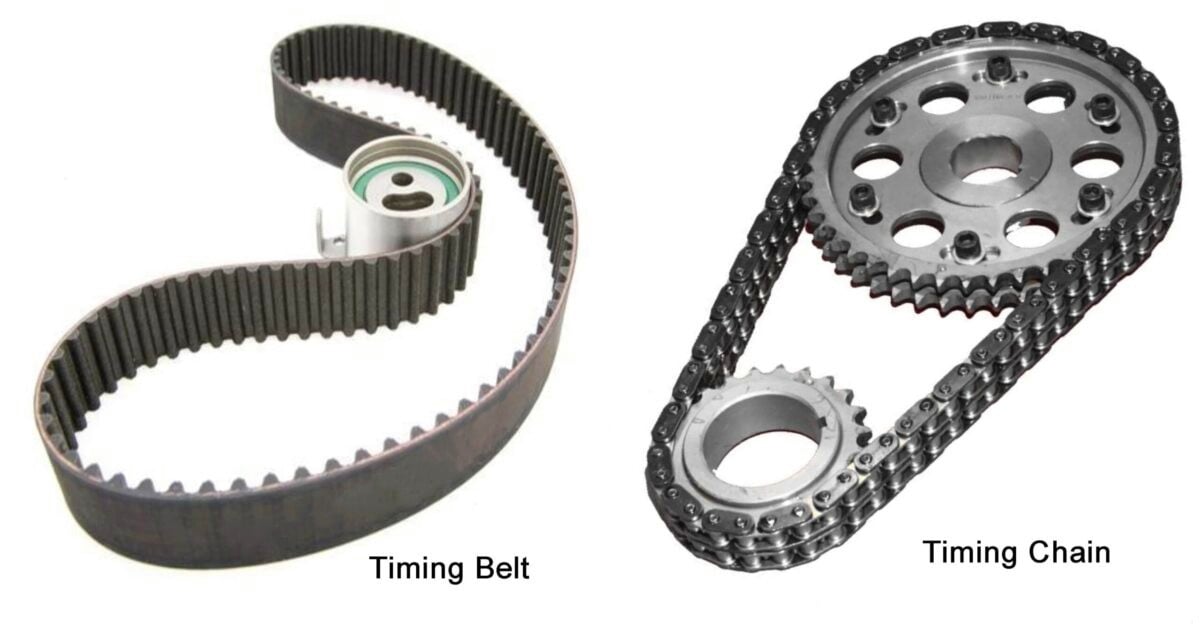
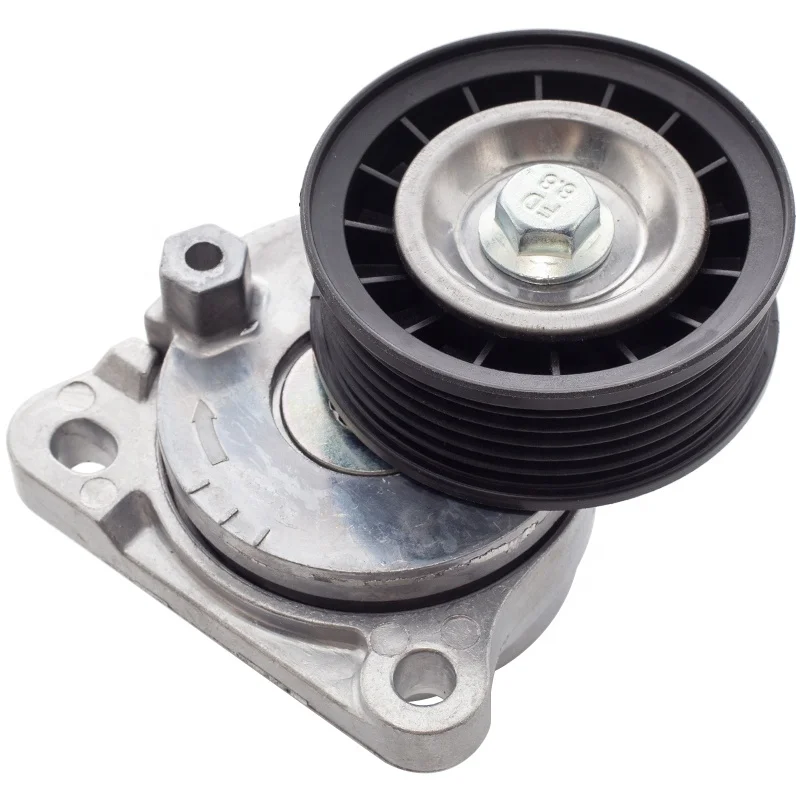
One of the common timing belt faults is the timing belt’s wear and tear with time. The timing belt can be damaged because it is in use for a long time, and it can be broken or fall down due to its worsening. It is important to check your timing belt regularly for any cover damage such as crack, rough cloth or any missing tooth to avoid the belt’s failure at any unplanned time. Another common problem defacing timing is incorrect tension. If the Timing belt tensioner kit is not between its loosening and tightening tension, this can unbalancing the engine’s timing leads to resulted performance. Proper orientation of the timing bolt is very critical to its functioning and proper tension. It is always advisable to check timing on your car belt by referring to a car’s handbook guide or seeking professional advice and help it with your mechanic. Another common issue that affects some of the timing belts is contamination. When the timing belt is exposed to dirt, oil, or any form of coverage, the belt can- slip, or it can be easily worn and torn. Keeping the engine area clean and free of hazardous materials is essential in avoiding contamination. Regular maintenance of the car enhances the timing belt to last longer and its functioning. Common timing belt problems in a vehicle include wear and tear, incorrect tensioning, and contamination. Proper regular inspection, maintenance, and tensioning can help avoid these problems and ensure your engine works as expected. Always follow manufacturers’ instructions and seek advice from professionals during car service. How to properly install a tenfront vehicle timing belt.
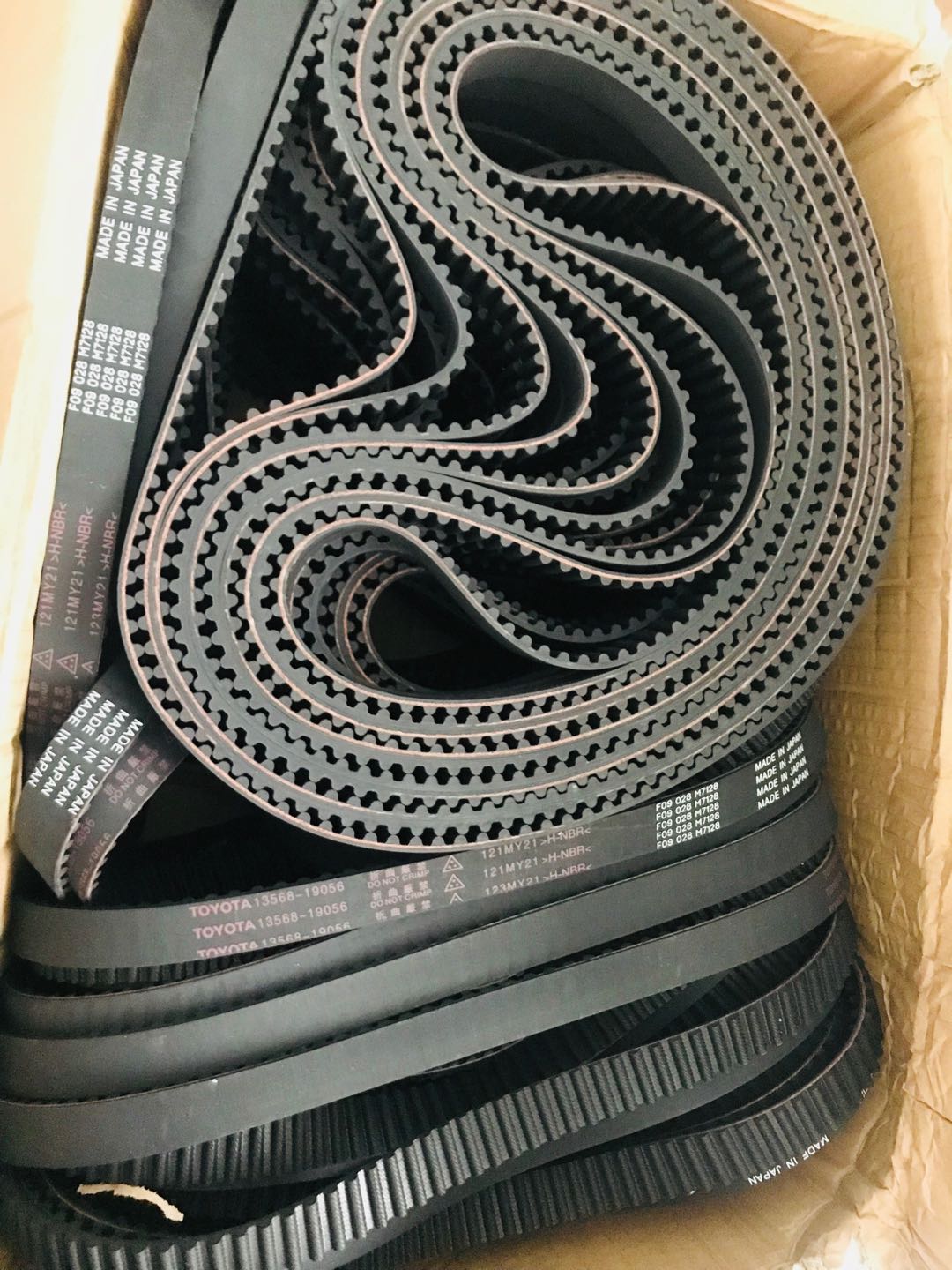
Installing a vehicle timing belt is a crucial task in maintaining a smooth and efficient engine operation process. To install a timing belt correctly, begin by locating the timing marks on the engine. These marks indicate the correct alignment between the crankshaft and camshaft. After finding the timing marks, you need to remove the obstructions surrounding the timing belt, which may include an engine cover, belts, or pulleys. Carefully remove the old timing belt while noting the direction of rotation. Once the old belt is out, install the new belt according to the manufacturer’s instructions. Finally, recheck the alignment to the timing marks to confirm that the new belt is installed correctly. Here are the links to buy affordable vehicle timing belts online.
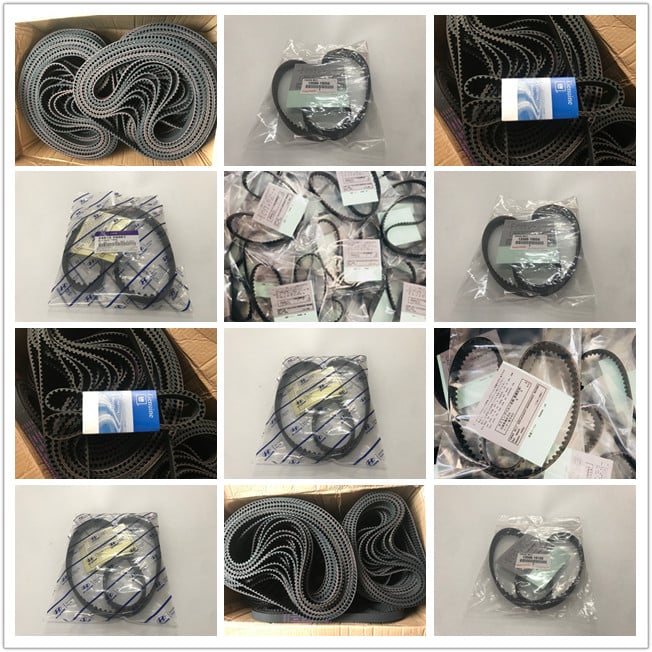
A tenfront car belt timing belt is one of the most critical elements of your vehicle. There are several signs to let you know the belt should be replaced. These include noise coming from the engine. If you hear a ticking or rattling noise, there’s a good chance the car belt is loose or warn out. Other signs are engine misfires and poor performance. This is due to the timing belt, which causes the engine to run unsmoothly and without enough power. The third element is oil leaks or damaged belt. In such cases, the belt should be replaced immediately. Avoiding this may lead to significant damage to your engine and costly repair. If you think that your vehicle timing belt needs to be replaced, take it to a professional mechanic who can accurately determine the state of the belt.

Welcome to Tenfront — We Are Your Trusted Auto Parts One-Stop Supplier and Long-Term Reliable Business Partner!
No.12-103, Kunhe Street, Dongping Bei Road, Baiyun Dist. Guangzhou City, China 510000
Copyright © Guangzhou Tenfront Auto Parts Co.,Ltd All Rights Reserved Privacy Policy
 EN
EN