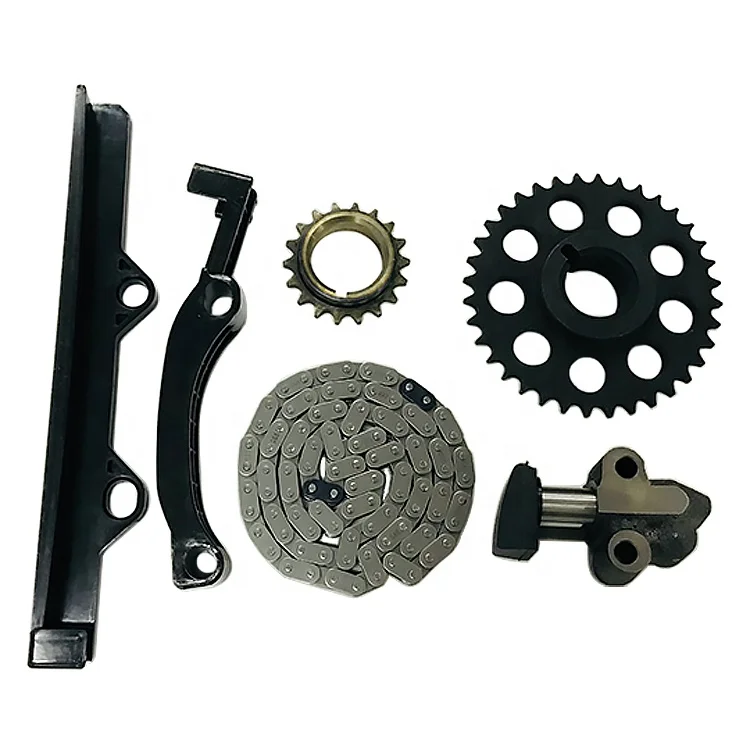
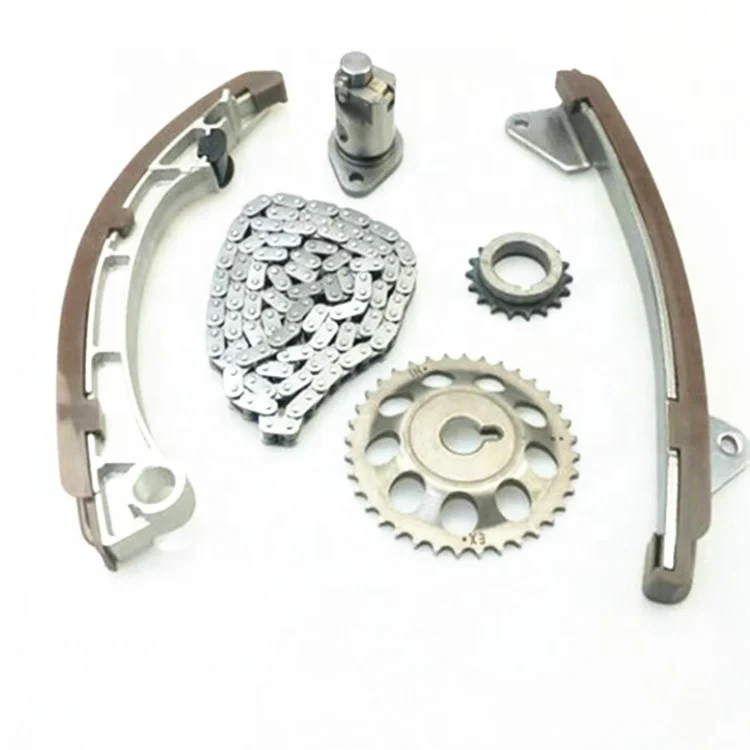
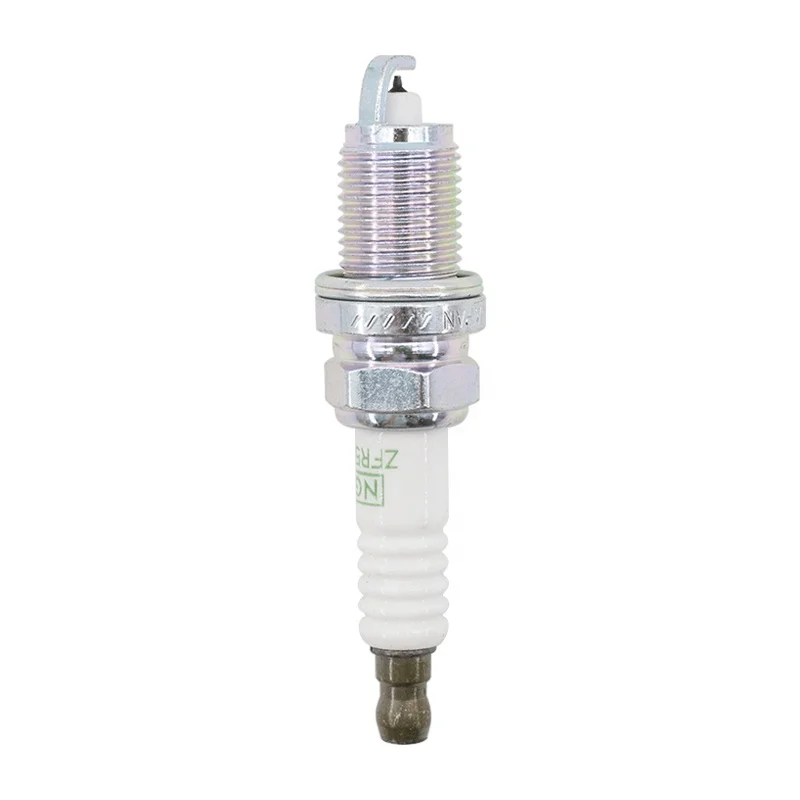
A timing belt is a vital component in an automobile’s engine. It acts like a powerful rubber band with teeth, keeping the moving parts of the engine synchronized to ensure they all run at optimal time. Without vehicle timing belt, the engine will not run too well, or it might even break.
Timing belts do tend to have some issues if they aren’t cared for properly. One major issue is that belts can stretch or become brittle over time. And this is because belts are composed of rubber and other stuff that get old and weak. When a vehicle timing belt cracks or snaps, the engine may shut down or be damaged internally. Another problem is belt slipping.
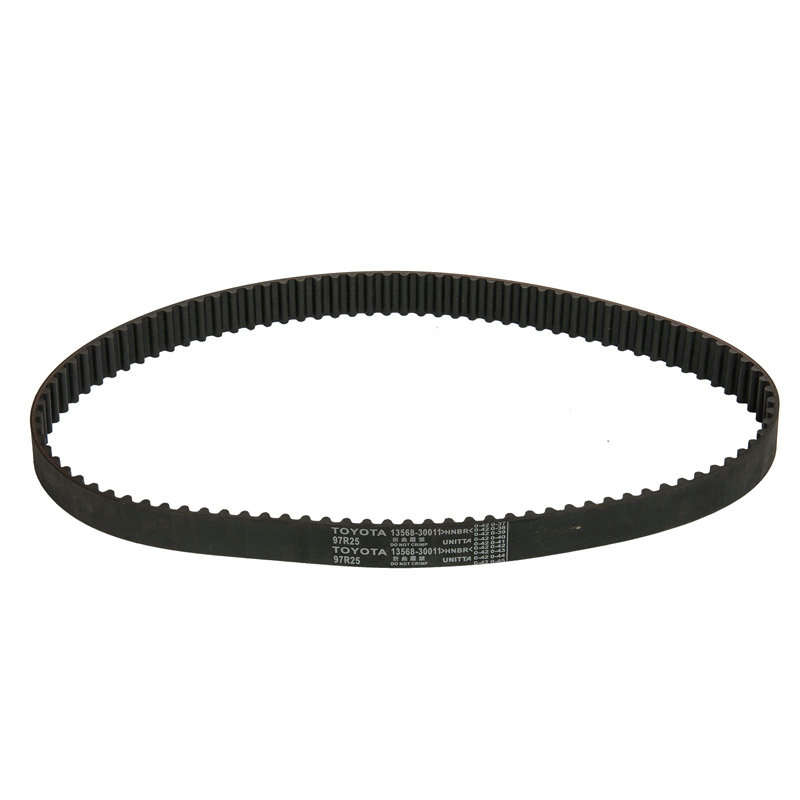
The consensus is that timing belts need to be replaced between 60,000 and 100,000 miles. But the results can vary, depending on the car model and how you drive. If you often drive in very hot weather or do a lot of stop-and-go driving in the city, your belt might wear out faster.
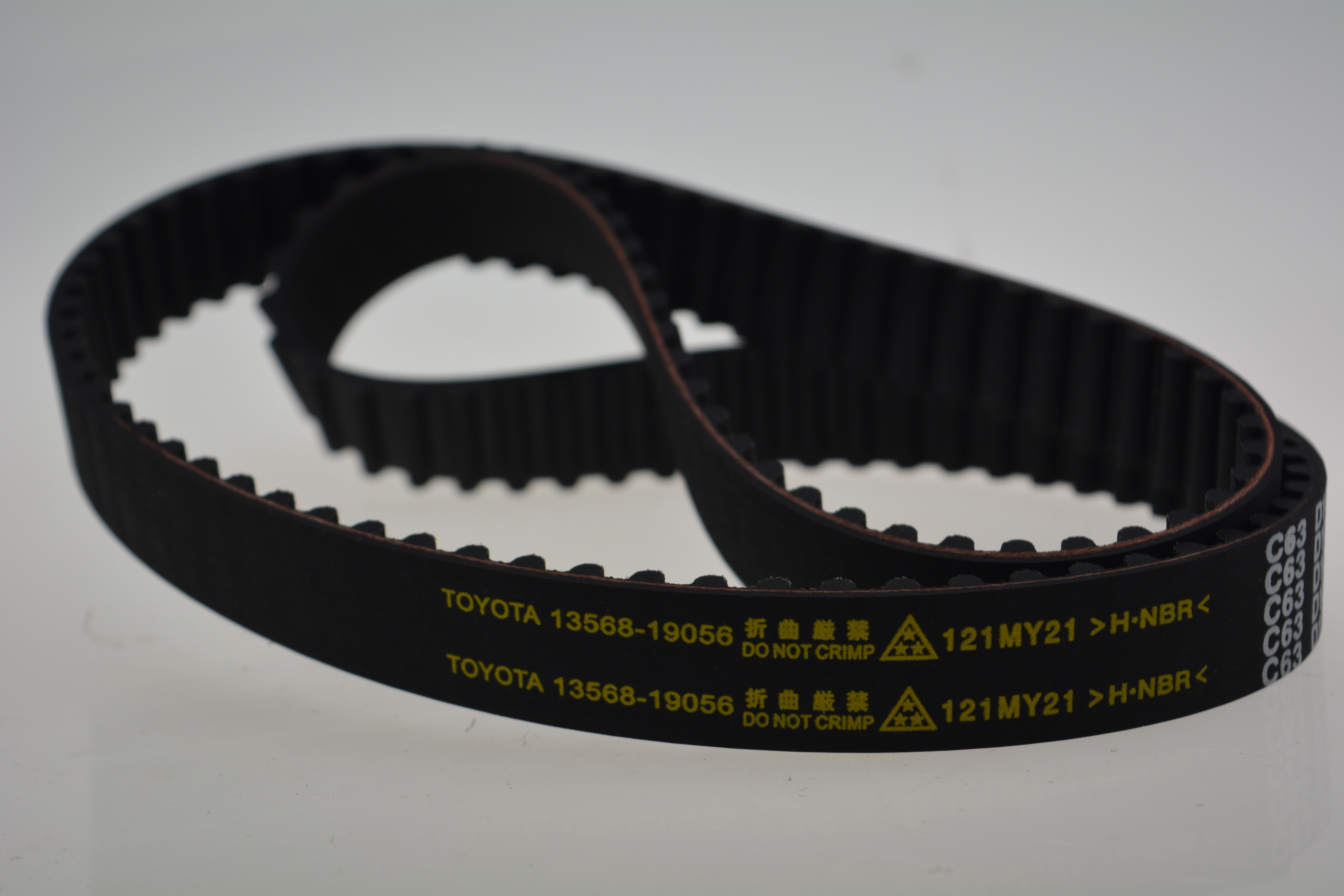
It's very important to routinely inspect the timing belt in your vehicle if you want it to run at its best. Check the belt for wear such as cracks, fraying or shiny spots. Once you spot any of these, then it’s time to replace the belt even if you haven’t gotten up to that mileage.
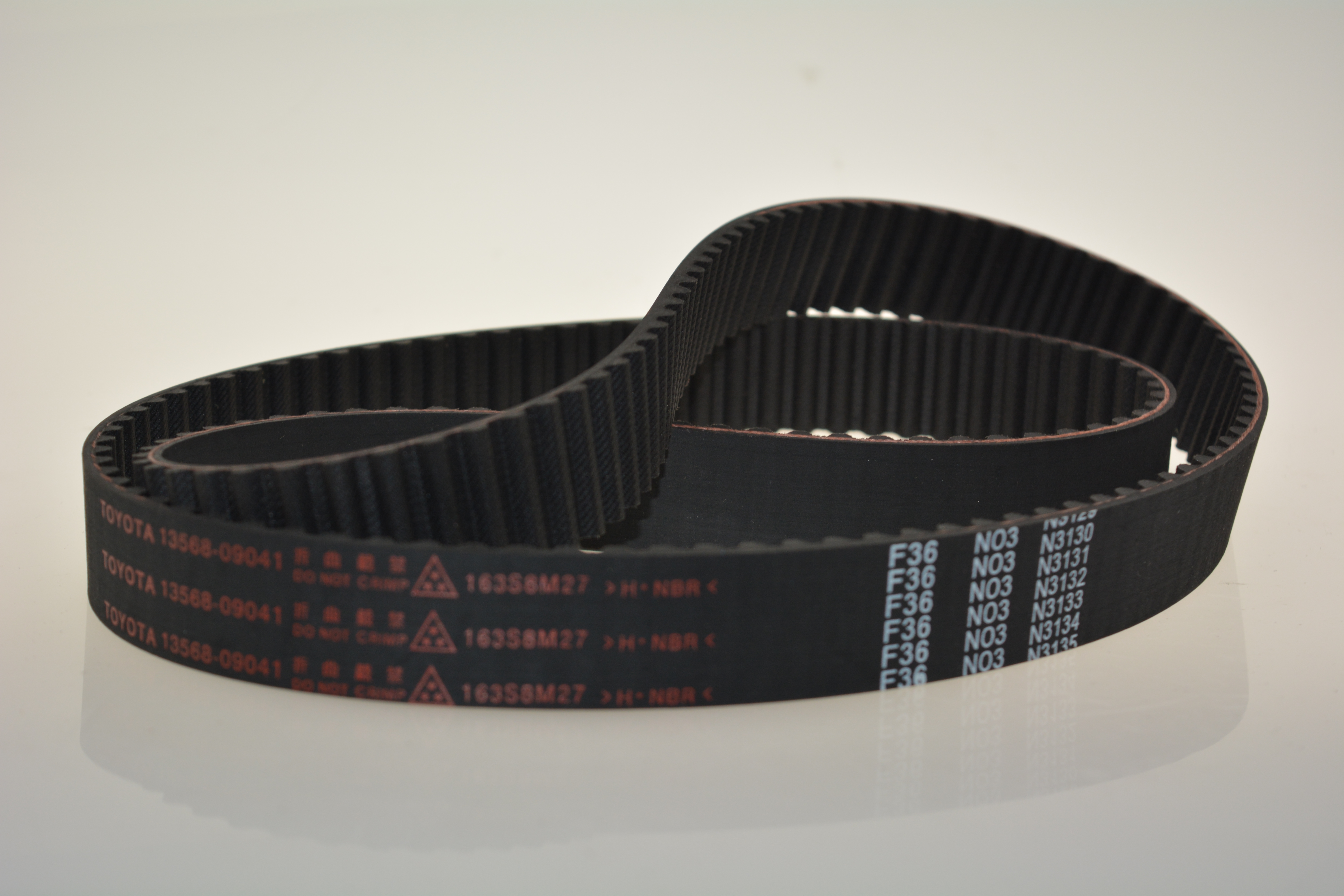
It can be hard to find a good vehicle timing belt that doesn’t break the bank. Just as with everything else, you want something that’s going to keep your engine running properly but won’t break the bank.

Welcome to Tenfront — We Are Your Trusted Auto Parts One-Stop Supplier and Long-Term Reliable Business Partner!
No.12-103, Kunhe Street, Dongping Bei Road, Baiyun Dist. Guangzhou City, China 510000
Copyright © Guangzhou Tenfront Auto Parts Co.,Ltd All Rights Reserved Privacy Policy
 EN
EN