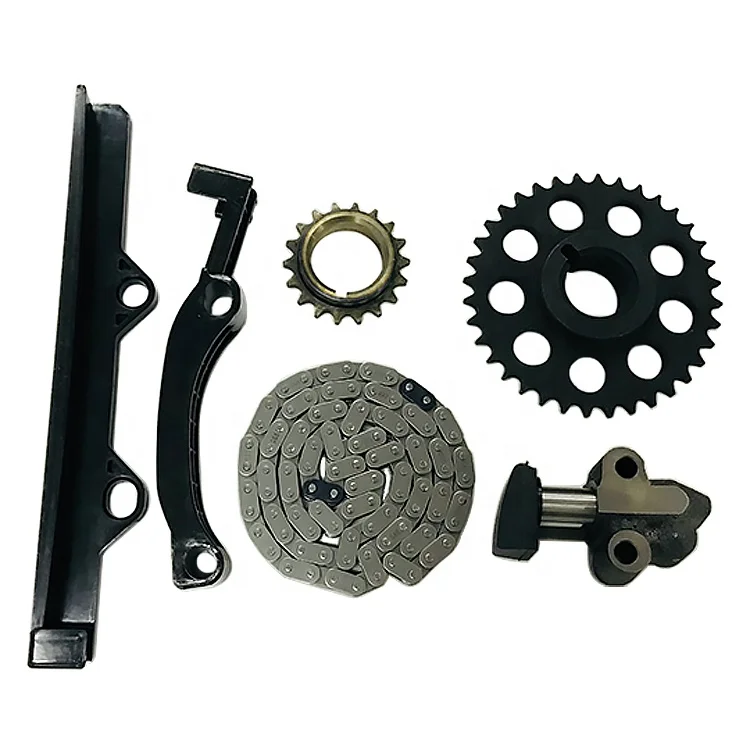
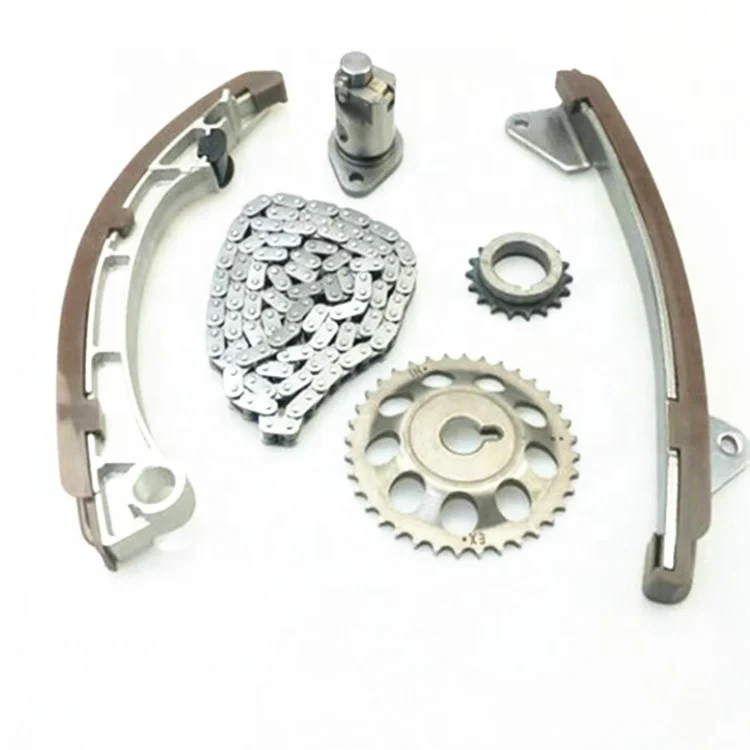
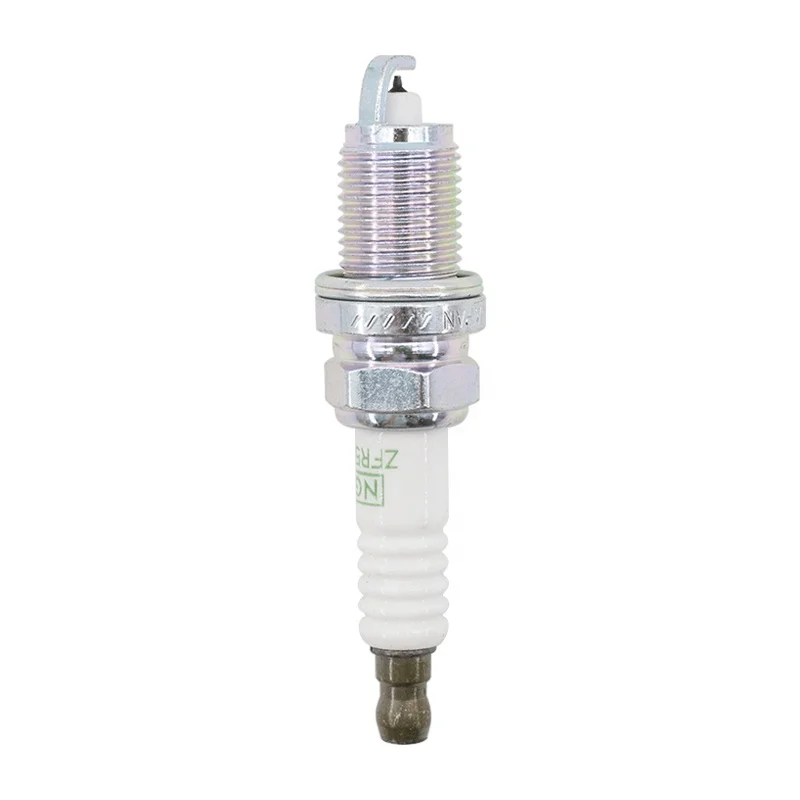
The timing chain of a car is an important part inside the engine. It acts like a heavy-duty metal belt that links the engine’s moving parts. Its task is to maintain the engine’s valves and pistons moving in the correct sequence, at the perfect time. Without the timing chain, an engine will not run properly, and in some cases, it may not even start at all. Timing chains last a good long time, however they also require checking and looking after. If they break or come loose, it can spell serious trouble for the engine, and fixing that trouble can be costly
It’s hard to find good suppliers for the car timing chains. There’s no doubt that many buyers crave parts that are durable and fit like a glove; but, not every supplier communicates the same quality level. We know this well at Tenfront as we’ve witnessed many customers struggle with inferior parts that don’t hold up or fit well. There are times when you need a good wholesale supplier but it isn’t wise to base that decision solely on cost. Quality and trust are both very important. A solid supplier will have a history of manufacturing timing chain and deliver parts that meet the exact requirements of every car. For instance, one supplier could provide chains of hardened steel that don’t stretch or wear out quickly, saving money over time. Buyers sometimes opt for the cheapest, but that can translate to early chain wear or engine woes. Which is why Tenfront focuses on timing chains that are high quality and can stand up to brutal conditions. The parts supplier must also be able to supply parts when needed, and support in case of problems. It doesn’t hurt if they have great communication, and can answer questions about the product, assisting customers to find their own way to that right chain for their cars. Moreover, it is a good idea to see if the supplier employs modern plating and manufacturing machines in order to produce chains. This typically translates to better quality and a smaller number of errors. This is a question many buyers forget to ask but chains should be tested under real engine conditions and verified they do not prematurely fail. Selecting something from a supplier like Tenfront means you’re dealing with a team that’s fussy about detail – at both the design and delivery phase. So, the next time you require dozens of timing chains, find a part provider that offers a balance of being good at what they do, offering experience in your field and suggesting responsive service so your customers are pleased and your business flows.
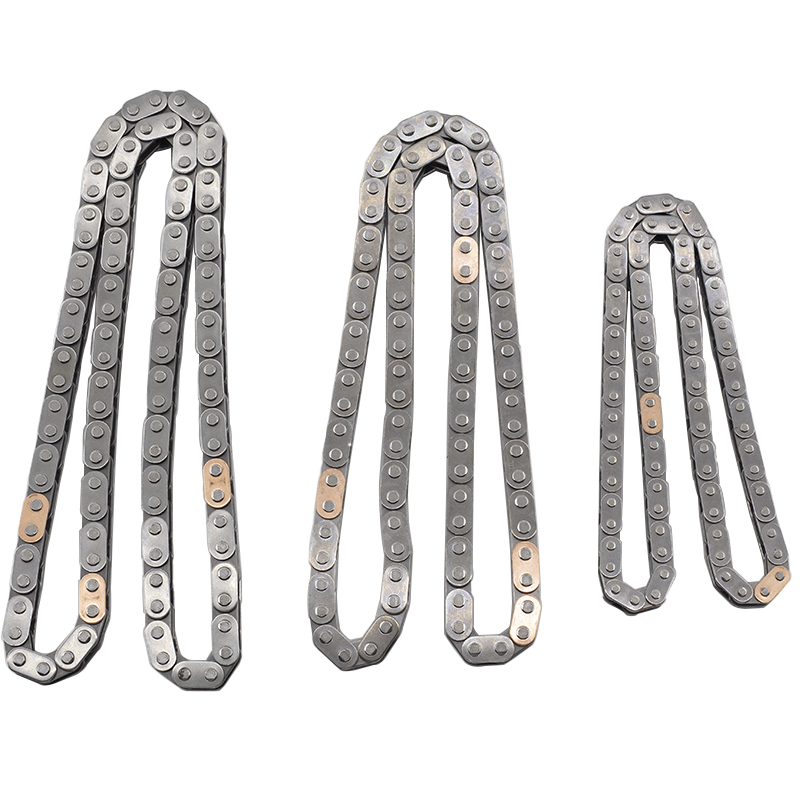
Spotting the signs that time is up for a timing chain can save time, trouble and expense. Some are easy enough to notice; others you might miss if you’re not looking closely. One telltale sign is a rattling or ticking noise coming from the engine, particularly when accelerating or when the vehicle is parked. This is the noise you hear, as the chain slackens and wears both it and whatever it rubs against. At other times the engine may stumble or lose power if the timing is out. Another indicator is the check engine light coming on. While this light can indicate many things, it’s often an indicator that the timing chain or one of its related parts is malfunctioning. If the chain stretches out too much it can cause the engine’s timing to skip, which could result in poor fuel economy or even an damaged engine. Stopping damage begins with routine maintenance. The other thing you need to do is change the engine oil regularly, as clean oil will also lubricate the chain and it won’t wear out too quickly. A dirty or low amount of oil can result in a quicker chain wear. At Tenfront, we always advise customers to follow the car maker’s service schedule and to use good quality oil. Another way to reduce premature wear is by replacing parts such as the chain tensioner or guides once they’ve become worn out and before the chain has failed completely. These components maintain chain tension as well. When they snap or wear out, the chain could slacken or jump teeth and lead to an engine misfire or stall. A few folks are slow about checking or replacing the timing chain, and that refusal to take care of business can lead to very expensive engine repairs. It’s just scary when the engine suddenly stops on the road. So, knowing the warning signs of trouble makes it less likely there’ll be big trouble. Looking after the timing chain and ensuring it runs smoothly enables the engine to provide many years of trouble-free performance and prevent the need for a replacement engine, which can add unnecessary stress to your life plus an additional unwanted expense. From my point of view, after all this years working with engines there is not much bad to tell about a properly taken care chain. It's an easy step that can have a significant impact on car performance and safety.
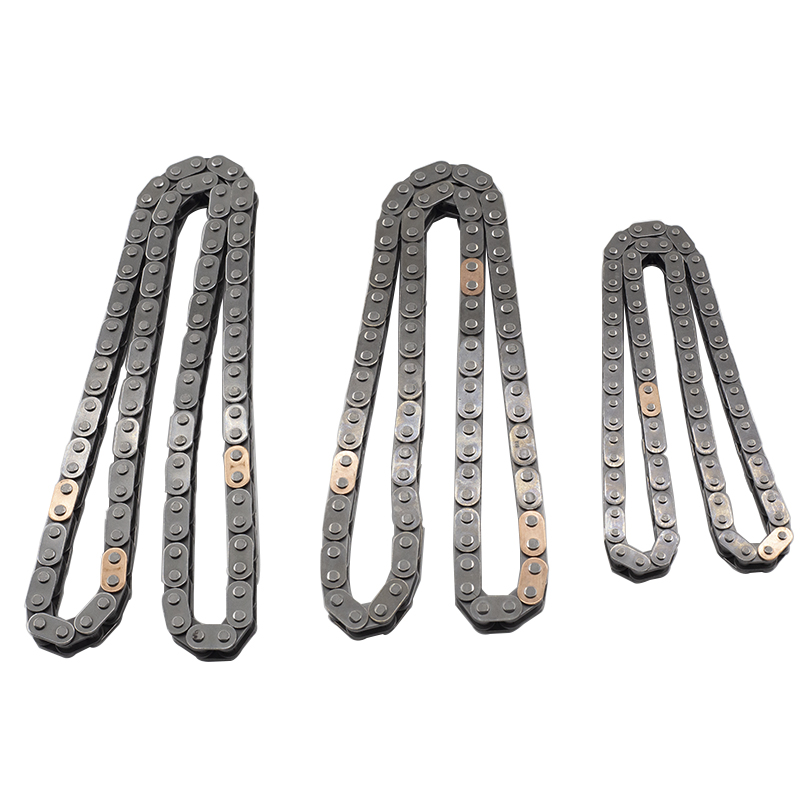
The timing chain of a car is an integral part to make the card engine work. It couples the crankshaft to the camshaft to ensure that a gas internal-combustion engine’s valves open and close at the proper intervals. Because it sees so much action and experiences such strong forces, the timing chain has to be stout. One way for companies like Tenfront to ensure that timing chains have a long life is by using special materials and intelligent technologies in their manufacture. The problem is the primary material of which it’s made, high-grade steel. Steel is tough enough to withstand the back-and-forth pulling and pushing inside an engine without falling apart. But not all steel is created equal, Tenfront very carefully sources theirs coated to be anti-wear and rust-proof. This ensures that the timing chain doesn’t weaken or break easily, even after several miles of driving. In addition to the steel, how a chain’s pieces are produced matters a great deal too. The little metal links of which the chain is composed are made so as to fit tightly together, yet at the same time to move freely; and between each pair of joints there is a bolt running through it with riveted ends. Tenfront employs sophisticated machinery to precisely form and polish these links, reducing their friction. With less friction comes less heat and a lower risk that the chain will stretch or break over time. One of the other technologies that contributes to making timing chains longer is surface coating. The steel is finished with a special treatment from Tenfront that helps keep it from rusting and wearing. This coating is meant to be like a shield, which protects the chain from heat and dirt present in the engine. And some timing chains are treated with special processes that harden the steel but leave it somewhat flexible so it can move freely. This balance is key since the chain needs to be durable while not too rigid. Put all of these materials and processes together, you have a timing chain that will outlast the lifespan of your vehicle. Tenfront’s emphasis on quality materials and clever production method make their timing chains a dependable and safe option for many types of cars. It’s why selecting the right material for construction and technology when it comes to chains is best; cheaping out on a timing chain, made of inferior materials or with outdated technology can create large headaches on the road ahead.
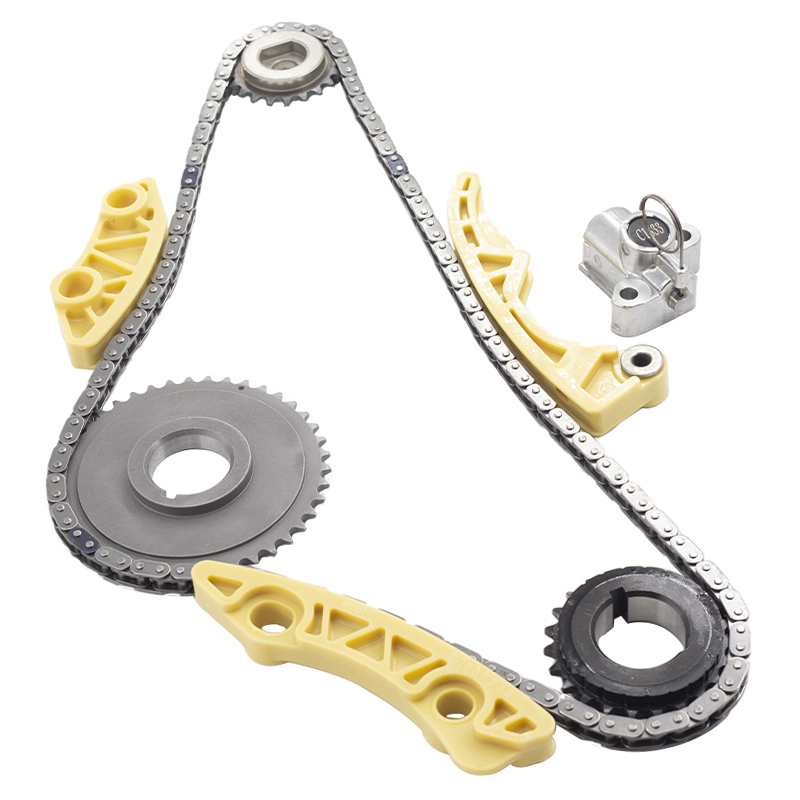
If you want your car’s engine to remain in good condition for an extended period of time, it is crucial that you take care of a car’s timing chain. They’re extremely durable, but like any other motor part, they can wear down or become damaged if not taken care of and maintained. Tenfront is here to make it possible for you to know how what are the good ways on making your timing chain last long. The first and simplest way to maintain the timing chain in your vehicle is by getting your engine oil changed often. Engine oil is basically the juice that keeps all engine parts moving well, so they don’t grind on each other and cause too much friction or heat. After the oil has become dirty enough or worn out, it cannot adequately protect your timing chain, which may be wearing faster. Tenfront advises reading the owner manual of your car to determine how frequently the oil should be changed. Typically, it is every 3,000 to 7,500 miles, but mileage intervals can be much longer sometimes up to 15,000 miles depending on the car and how often you drive. The type of oil makes a difference, too. Some engines might require custom oils with specific viscosity or additives that are better at protecting chains. Be sure to use the kind of oil recommended by your car’s maker, or a reliable mechanic. Another crucial maintenance is to listen for unusual sounds from your engine. Rattling or ticking noises may signal a loose or worn timing chain. In case you hear such sounds, it would be better to consult with a mechanic at the earliest. And because two experts agree, you will also continue to refine your ability to ignore the static while separating the signal from it. In addition to oil and sounds, maintaining the engine clean can help too. All that dirt and dust can get inside the engine and leave a residue that makes parts, like the timing chain, wear faster. Tenfront recommends checking in with your mechanic every time you take your car in for service so he or she can inspect the chain and its tensioner. The tensioner is a little part that keeps the chain tight and in its place. If it doesn’t work well, the chain can slip or jump, which is catastrophic for the engine. And, lastly don’t drive your car hard when the engine is cold. The timing chain can see extra stress from hard driving with the oil thick and cold. That’s the timing chain. Read More Any car enthusiast or engineer I’ve ever spoken to says that letting your engine warm up for a minute or two before taking off permits everything to heat up, expand and have maximum clearance on startup. You can help your timing chain last a long time by following these simple steps change the oil on time, use the proper type of oil, listen for noises, keep engine clean and don’t push it when cold. Tenfront cares about your car’s condition and want you to keep the engine under wraps.

Welcome to Tenfront — We Are Your Trusted Auto Parts One-Stop Supplier and Long-Term Reliable Business Partner!
No.12-103, Kunhe Street, Dongping Bei Road, Baiyun Dist. Guangzhou City, China 510000
Copyright © Guangzhou Tenfront Auto Parts Co.,Ltd All Rights Reserved Privacy Policy
 EN
EN